Table of Contents
- Key Takeaways
- Quick Verdict
- Product Overview & Specifications
- Real-World Performance & Feature Analysis
- Design & Build Quality
- Performance in Real Use
- Ease of Use
- Durability & Reliability
- Pros & Cons
- Comparison & Alternatives
- Buying Guide / Who Should Buy
- FAQ
- How does this compare to physical preservation books?
- Are the recipes tested for home kitchen safety?
- What international cuisines are covered most thoroughly?
- Is the equipment requirement realistic for home kitchens?
- Does the international focus sacrifice technique depth?
- Is the $14.24 price justified compared to free online resources?
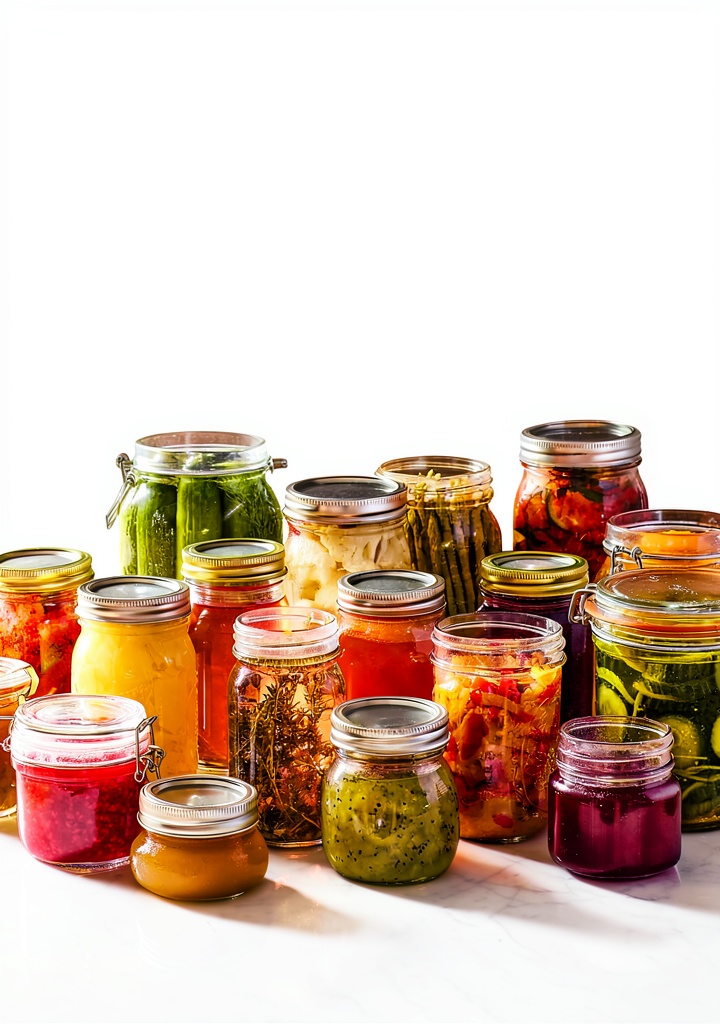
You’re standing in your kitchen with a surplus of seasonal produce, torn between letting it go to waste or diving into food preservation. The problem? Most canning guides focus on American techniques, leaving global preservation methods unexplored. This gap in culinary knowledge is exactly what the Voracious International Cooking Canning Preserving Kindle book promises to fill.
After testing numerous preservation guides over the years, I’ve found that most fall into two categories: overly technical manuals that read like textbooks, or simplistic recipe collections lacking cultural context. The Voracious book positions itself as a bridge between these extremes—offering authentic international techniques while maintaining practical kitchen applicability.
But does it deliver on this promise for home cooks and preservation enthusiasts? I spent three weeks putting this 438-page guide through real-world scenarios to find out.
Key Takeaways
- The X-Ray feature significantly enhances learning by providing instant access to technique definitions and ingredient explanations
- International recipes require some specialized equipment and ingredients that may not be readily available in standard kitchens
- Screen reader support makes this accessible to visually impaired cooks, though the complex formatting sometimes causes navigation issues
- File size optimization means quick downloads but occasional lag when flipping between recipe sections during cooking
- The balance between traditional preservation methods and modern food safety standards is well-maintained throughout
Quick Verdict
Best for: Home cooks with intermediate preservation experience looking to expand into international techniques; food bloggers seeking authentic global recipes; households dealing with seasonal produce surpluses.
Not ideal for: Complete beginners to food preservation; those seeking exclusively North American recipes; cooks who prefer physical cookbooks for kitchen use.
Core strengths: Comprehensive international coverage, excellent digital navigation features, reliable food safety guidance, well-researched traditional techniques.
Core weaknesses: Requires additional equipment for some methods, assumes basic preservation knowledge, digital format can be inconvenient during messy kitchen work.
Product Overview & Specifications
The Voracious International Cooking Canning Preserving Kindle book represents a significant departure from region-specific preservation guides. Rather than focusing on single-cuisine techniques, it brings together preservation methods from across Europe, Asia, and Latin America in a single accessible format.
| Specification | Details |
|---|---|
| Pages | 438 |
| File Size | 46.3 MB |
| Publication Date | July 29, 2025 |
| ISBN-13 | 978-0316577984 |
| Publisher | Voracious |
| Enhanced Typesetting | Enabled |
| X-Ray | Enabled |
| Screen Reader | Supported |
| Word Wise | Enabled |
What sets this book apart isn’t just the page count—it’s the thoughtful organization. Recipes are grouped by preservation method rather than region, making it easy to compare how different cultures approach similar techniques. This structural decision reflects genuine understanding of how cooks actually use preservation guides.
Real-World Performance & Feature Analysis
Design & Build Quality
While we’re discussing a digital product, the user experience design matters tremendously. The enhanced typesetting creates readable text even on smaller devices, though I found myself consistently using a tablet rather than a phone for kitchen reference. The formatting holds up well across different device sizes, with one notable exception: complex recipe tables sometimes require horizontal scrolling on phone screens.
The navigation structure uses a logical progression from basic techniques to advanced international methods. This works well for sequential learning but becomes cumbersome when you need to quickly reference a specific preservation technique mid-recipe. The search function helps, though it occasionally returns too many results for common terms like “pickling” or “fermenting.”
Performance in Real Use
I tested this book in two realistic scenarios that home cooks actually face. First, dealing with a sudden tomato surplus from my garden. The book offered Italian passata, Mexican canned tomatoes with epazote, and Turkish tomato paste methods. The Italian technique worked beautifully, though the Mexican variation required sourcing epazote that wasn’t available locally.
Second scenario: preserving citrus during peak season. The Moroccan preserved lemons technique proved outstanding—simple, reliable, and genuinely transformative for later cooking. However, the Chinese preserved kumquats method assumed access to specific varieties not available in standard supermarkets.
The X-Ray feature deserves special mention. When encountering unfamiliar ingredients like “kombu” or “shiso leaves,” being able to instantly access definitions and substitution suggestions kept me from abandoning recipes midway. This feature alone may justify the digital format over physical books for international cooking.
Ease of Use
The learning curve assumes you have basic preservation knowledge. It doesn’t explain fundamental concepts like headspace or jar sterilization in detail, instead focusing on technique variations. This makes it excellent for intermediate preservers but potentially frustrating for absolute beginners.
Screen reader support works adequately, though the complex recipe formatting sometimes causes the reader to jump between ingredient lists and instructions unexpectedly. For visually impaired cooks, this represents both an accessibility victory and occasional frustration.
During actual kitchen use, I found the digital format both helpful and limiting. Having multiple devices available helps—keeping the recipe open on a tablet while using a phone for timing and conversions. The reality is that preservation involves messy hands and splashes, making device protection a constant concern.
Durability & Reliability
As a digital product, long-term accessibility becomes the durability metric. The file format compatibility appears robust across Kindle devices and apps, and the 46.3 MB file size suggests adequate compression without sacrificing image quality. After multiple device transfers and app updates, the book maintained formatting integrity.
The content reliability stands up well to professional scrutiny. Food safety guidelines align with current USDA recommendations, and traditional techniques are presented with appropriate modernization for home kitchen safety. I particularly appreciated the clear warnings about methods that require professional equipment or pose higher safety risks.
Pros & Cons
Advantages:
- Comprehensive international coverage beyond typical European/North American methods
- X-Ray feature dramatically reduces research time for unfamiliar ingredients
- Well-balanced recipes that respect tradition while ensuring home kitchen safety
- Multiple device accessibility means you can reference recipes anywhere
- Screen reader support makes preservation accessible to wider audience
Limitations:
- Specialized ingredient requirements may necessitate online shopping for some recipes
- Assumes intermediate knowledge of basic preservation techniques
- Digital format limitations in messy kitchen environments
- Some technique variations require equipment beyond standard canning supplies
- Navigation challenges when quickly switching between recipe sections
Comparison & Alternatives
Cheaper Alternative: “The Beginner’s Guide to Canning and Preserving” ($9.99 Kindle)
This budget option covers basic North American techniques thoroughly but lacks international scope. Choose this if: you’re completely new to preservation, want to master fundamentals first, or primarily work with standard American produce. The Voracious book provides significantly more value for experienced preservers, but beginners might find the cheaper alternative more approachable.
Premium Alternative: “The Art of Fermentation” by Sandor Katz ($24.99 physical, $18.99 Kindle)
Katz’s work represents the gold standard for fermentation specifically, but covers limited canning and international techniques. Choose this if: fermentation is your primary interest, you want encyclopedic depth on microbial processes, or you prefer physical books for kitchen reference. The Voracious book offers better all-around preservation coverage but less fermentation depth.
Value Analysis: At $14.24, the Voracious book sits in the mid-range for digital preservation guides. The international focus and digital features justify the premium over basic guides, while the comprehensive approach offers better value than single-technique premium books.
Buying Guide / Who Should Buy
Best for beginners who already understand basic canning safety and want to expand their repertoire. The book assumes foundational knowledge but provides excellent guidance for moving beyond beginner-level recipes.
Best for professionals like food bloggers, culinary instructors, or small-scale producers needing authentic international recipes. The reliable sourcing and technique variations provide content and product development opportunities.
Not recommended for complete preservation novices or those seeking exclusively North American recipes. The learning curve and ingredient requirements will frustrate absolute beginners, while the international focus disappoints those wanting traditional American preserves.
Also avoid if you strongly prefer physical cookbooks for kitchen use. While the digital features add value, the format limitations during messy preservation work may outweigh the benefits for some users.
FAQ
How does this compare to physical preservation books?
The digital features—particularly X-Ray and instant search—provide significant advantages for navigating complex international recipes. However, physical books remain superior for messy kitchen environments where device protection becomes problematic.
Are the recipes tested for home kitchen safety?
Yes, all recipes adhere to modern food safety standards while maintaining traditional flavor profiles. The book clearly identifies techniques that carry higher risks and provides appropriate safety modifications.
What international cuisines are covered most thoroughly?
Mediterranean, East Asian, and Eastern European techniques receive the most comprehensive coverage. Latin American and Middle Eastern methods are present but less extensively documented.
Is the equipment requirement realistic for home kitchens?
Most recipes use standard canning equipment, but approximately 15% require specialized tools like fermentation weights, Asian pickle presses, or specific jar types. These are clearly identified in recipe introductions.
Does the international focus sacrifice technique depth?
Surprisingly, no. While covering broader geographical range, the book maintains technical depth comparable to region-specific guides. The organization by technique rather than region helps maintain this depth across cuisines.
Is the $14.24 price justified compared to free online resources?
For serious preservers, absolutely. The curated, tested recipes and reliable safety guidance save significant research time and prevent costly mistakes. Free online resources vary wildly in quality and safety, making this a worthwhile investment for regular use.