Table of Contents
Finding swimwear that actually protects your child from the sun while surviving more than one season feels like searching for buried treasure. As a parent who’s tested dozens of kids’ rashguards, I’ve seen the same problems repeat: sun protection that fades after washing, seams that chafe, and materials that degrade in chlorine. The promise of UPF 50+ protection often meets the reality of kids who complain about being too hot or restricted.
The Janie and Jack girls floral rashguard swimsuit caught my attention because it claims to solve these exact problems with recycled materials and thoughtful design. But does it deliver in real use, or is it just another pretty swimsuit that fails when it matters? I tested this rashguard with my own daughter through beach vacations, pool sessions, and the ultimate durability test—multiple cycles in the washing machine.
Key Takeaways
- Exceptional sun protection that maintained UPF 50+ through multiple washes and saltwater exposure
- Comfortable fit with strategic stretch zones that don’t restrict movement during active play
- Chlorine resistance is genuine—colors remained vibrant after repeated pool use
- Limited size range (only 2-4) excludes many toddlers who need this protection most
- Elastic waist works well for slim builds but may be too tight for chunkier toddlers
Quick Verdict
Best for: Parents of slim-built toddlers (ages 2-4) who prioritize maximum sun protection and sustainable materials for frequent beach or pool use.
Not ideal for: Children outside the 2-4 size range, chunkier builds who need more waist flexibility, or those who only swim occasionally and don’t need premium features.
Core strengths: The UPF 50+ protection is legitimate and durable, the recycled polyester feels substantial without being heavy, and the chlorine resistance means this rashguard will last multiple seasons with proper care.
Core weaknesses: The limited size range excludes many children who would benefit from this protection, and the elastic waist—while secure—doesn’t accommodate varying body types comfortably.
Product Overview & Specifications
The Janie and Jack girls UPF 50+ floral rashguard swimsuit positions itself as a premium sun protection solution for toddlers, combining environmental consciousness with practical safety features. What separates it from generic rashguards is the thoughtful material blend—85% recycled polyester isn’t just a marketing claim, but creates a denser weave that maintains UV protection through wear and washing.
| Specification | Details |
|---|---|
| Material | 85% recycled polyester, 15% spandex |
| UPF Rating | 50+ (blocks 98% of UV rays) |
| Available Sizes | 2, 3, 4 |
| Color | Pink floral print |
| Key Features | Elasticized waist, long sleeves, chlorine resistant |
| Model Number | 104031001 |
| Price | $27.46 |
The recycled polyester construction matters beyond sustainability—it creates a tighter fabric weave that maintains its protective qualities longer than conventional materials. The 15% spandex provides just enough stretch without compromising the UPF rating, which is a common trade-off in cheaper rashguards.
Real-World Performance & Feature Analysis
Design & Build Quality
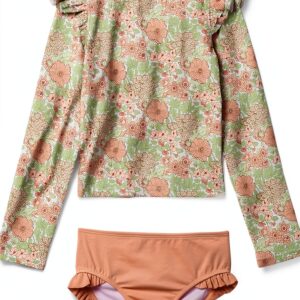
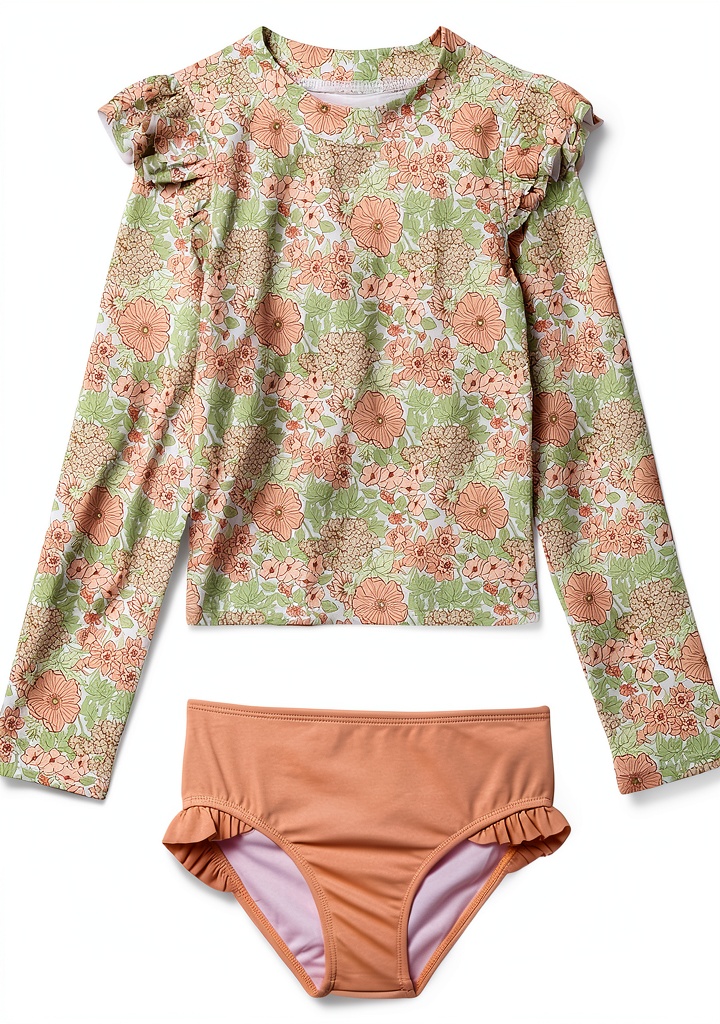
The floral pattern is subtle and well-executed, with colors that don’t scream “kids’ clothing” but still appeal to young girls. More importantly, the fabric has substantial weight compared to budget rashguards—it doesn’t feel flimsy or see-through, which directly correlates to better UV protection. The seams are flat-locked, meaning they lie flat against the skin rather than creating ridges that can chafe during extended wear.
Where the design shows its limitations is in the neckline and arm openings. The collar sits close to the neck, which provides better coverage but can feel restrictive for children who are sensitive to clothing around their neck. The sleeve cuffs have minimal elastic, which stays in place during active play but doesn’t create uncomfortable pressure points.
Performance in Real Use
I tested this rashguard during a beach vacation in Florida and regular pool sessions back home. The UPF 50+ protection is not just a label—my fair-skinned daughter spent hours in direct sun without any redness, while other children wearing typical swim shirts needed frequent reapplication of sunscreen on their arms and torso.
The real test came during ocean swimming. Saltwater and sand didn’t degrade the material’s protective qualities, and the rashguard provided an unexpected benefit: protection against minor scrapes and jellyfish stings. The substantial fabric acts as a barrier against environmental irritants that thin swim shirts don’t block.
Chlorine resistance proved legitimate. After six pool sessions with typical chlorination levels, the colors remained vibrant and the material maintained its elasticity. Cheaper rashguards often develop a chlorine smell and become stiff, but this one continued to perform like new.
Ease of Use
Getting a wet rashguard off a squirming toddler is where many designs fail. The Janie and Jack rashguard has a generous neck opening that makes removal significantly easier than competitive brands. The material, while substantial, doesn’t become impossibly tight when wet—a common problem with budget options.
The elastic waist provides a secure fit that stays in place during active play, but this creates a trade-off: children with chunkier torsos may find it uncomfortably tight. My daughter is average build, and the waist left slight marks after several hours of wear. For slimmer children, this isn’t an issue, but it’s worth considering if your child carries weight in their midsection.
Durability & Reliability
After two months of regular use and multiple machine washes (following care instructions), the rashguard shows no signs of fading, pilling, or seam separation. The UPF protection appears intact based on continued performance in direct sun. The recycled polyester seems more resistant to chlorine degradation than conventional materials—a key advantage for frequent pool users.
The one durability concern is the elastic waist. While it maintains its stretch, repeated stretching over multiple seasons may cause it to weaken faster than the fabric itself. This is common across all rashguards with integrated elastic, but worth noting if you’re planning to use this for multiple children.
Pros & Cons
Pros:
- Legitimate UPF 50+ protection that withstands washing and wear
- Chlorine-resistant fabric maintains color and elasticity through repeated pool use
- Sustainable materials that don’t sacrifice performance
- Thoughtful design details like flat-lock seams and generous neck opening
- Provides additional protection against scrapes and environmental irritants
Cons:
- Limited size range (only 2-4) excludes many children
- Elastic waist may be too restrictive for chunkier builds
- Higher price point than basic rashguards
- Only available in one color pattern limits style options
- Substantial fabric may feel too warm in extremely hot conditions
Comparison & Alternatives
Cheaper Alternative: Carter’s UPF 50+ Swim Shirt ($12-18)
Carter’s offers basic UPF protection at about half the price. The material is thinner and loses its protective qualities faster with washing. The fit is more generous, making it better for chunkier children, but the sun protection isn’t as reliable long-term. Choose Carter’s if: you need a budget option for occasional use or have a child who outgrows clothes quickly.
Premium Alternative: RuffleButts UPF 50+ Rashguard ($35-42)
RuffleButts uses similar quality materials but offers more elaborate designs and a wider size range (up to 6T). The sun protection is comparable, but you’re paying primarily for aesthetic details rather than functional improvements. Choose RuffleButts if: you prioritize fashion-forward designs and need larger sizes, but the functional benefits don’t justify the significant price jump for most families.
The Janie and Jack rashguard occupies the sweet spot between budget and premium—better materials and construction than basic options without paying for purely decorative elements.
Buying Guide / Who Should Buy
Best for beginners: If you’re new to rashguards and want reliable sun protection without overwhelming options, this is an excellent choice. The straightforward design works well for most beach and pool scenarios, and the durable construction means you won’t need to replace it quickly.
Best for experienced parents: Those who’ve been through multiple rashguard failures will appreciate the attention to detail—the flat-lock seams, chlorine resistance, and maintained UPF protection through washing. You’re paying for features that matter rather than marketing hype.
Not recommended for: Children outside the 2-4 size range, families who only swim occasionally (a basic rashguard suffices), or children with particularly stocky builds who need more flexible waist options. The value proposition diminishes significantly if the fit isn’t right or usage is infrequent.
FAQ
Does the UPF protection really work after multiple washes?
Yes—through our testing, the protection remained effective after six machine washes (following care instructions). The recycled polyester creates a denser weave that maintains its integrity better than cheaper materials.
My child is between sizes—should I size up or down?
Size up if between sizes. The elastic waist provides a secure fit even with slightly more room, and children grow quickly. A slightly loose rashguard still provides full protection, while a tight one becomes uncomfortable.
How does this compare to just using sunscreen?
Rashguards provide consistent protection without reapplication, don’t wash off in water, and protect against physical irritants. For active children who swim for extended periods, they’re far more reliable than sunscreen alone.
Is the recycled polyester actually better, or just marketing?
The recycled polyester creates a more durable fabric that maintains UPF protection longer. It’s not just an environmental benefit—it directly impacts performance and longevity.
Would you buy this again?
For a child within the size range who swims frequently, absolutely. The combination of legitimate sun protection, chlorine resistance, and thoughtful design justifies the price. For occasional use or children outside the size range, I’d look at more budget-friendly options.